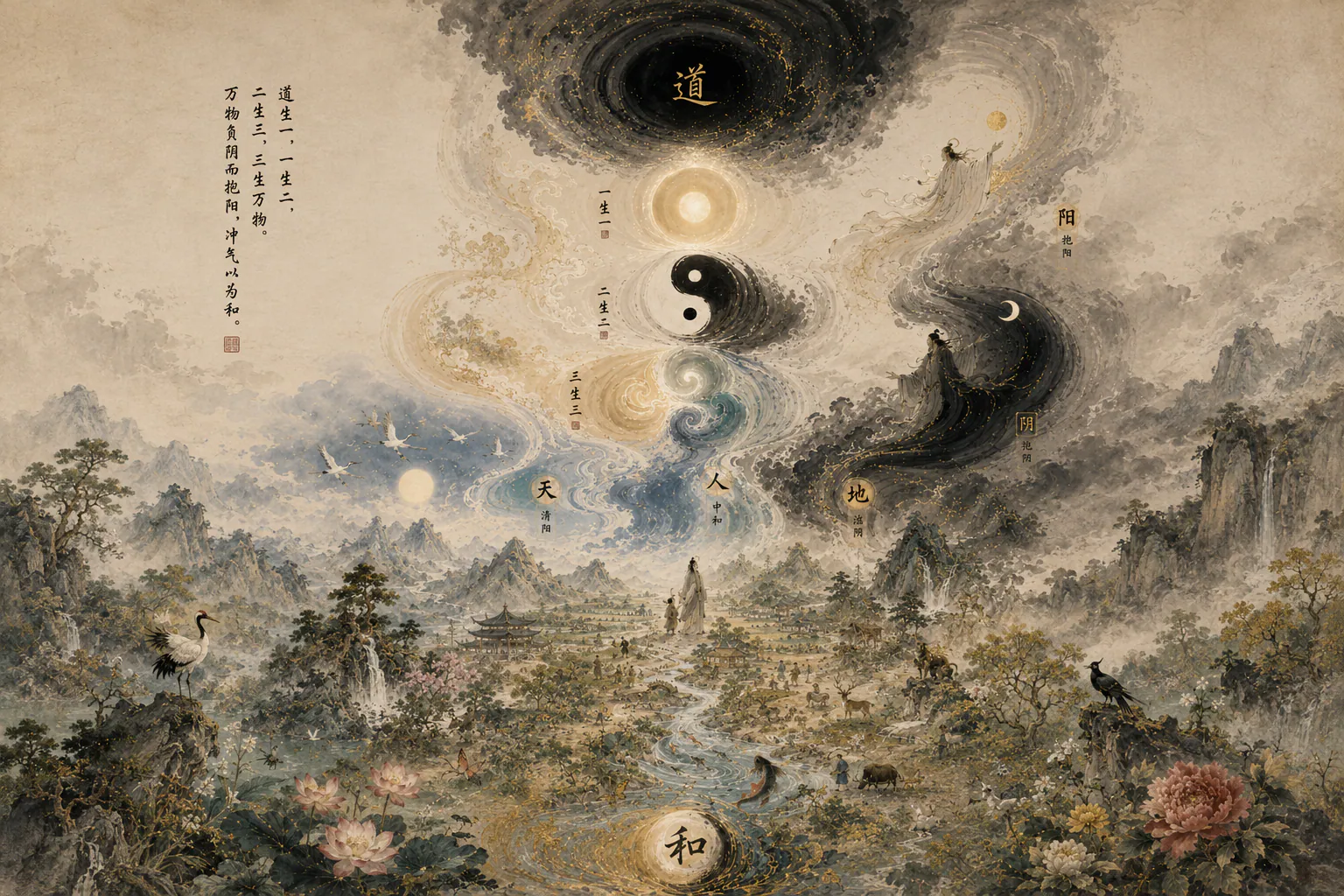
Traditional Chinese Philosophy
How Qi Moves and Transforms in Chinese Philosophy
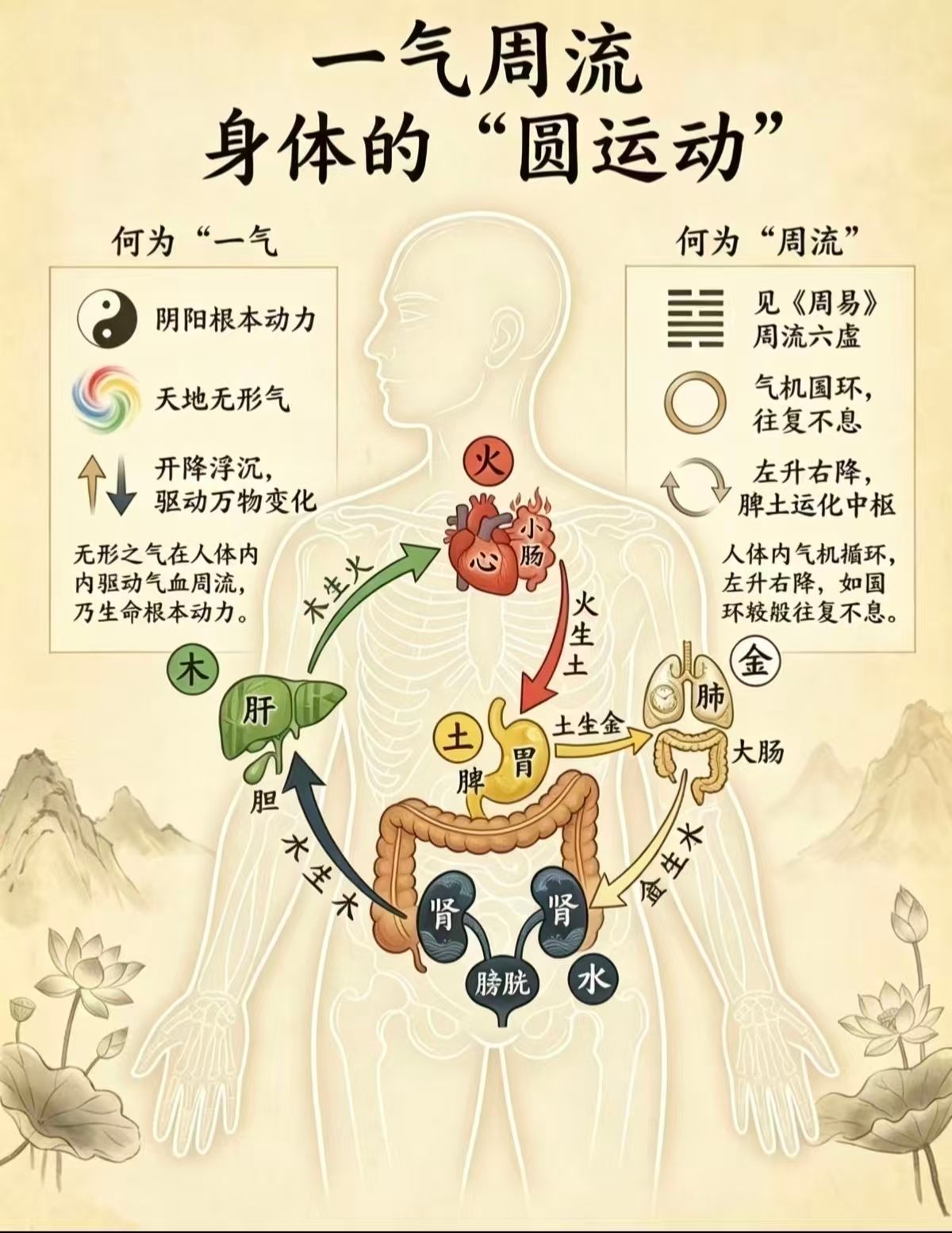
Explore qi in Chinese philosophy and traditional Chinese medicine, from innate and acquired qi to ascending, descending, exiting and entering.
The Daoism Journal
Read the ideas behind the practice.
10 articles
Traditional Chinese Philosophy
Explore qi in Chinese philosophy and traditional Chinese medicine, from innate and acquired qi to ascending, descending, exiting and entering.
Traditional Chinese Philosophy
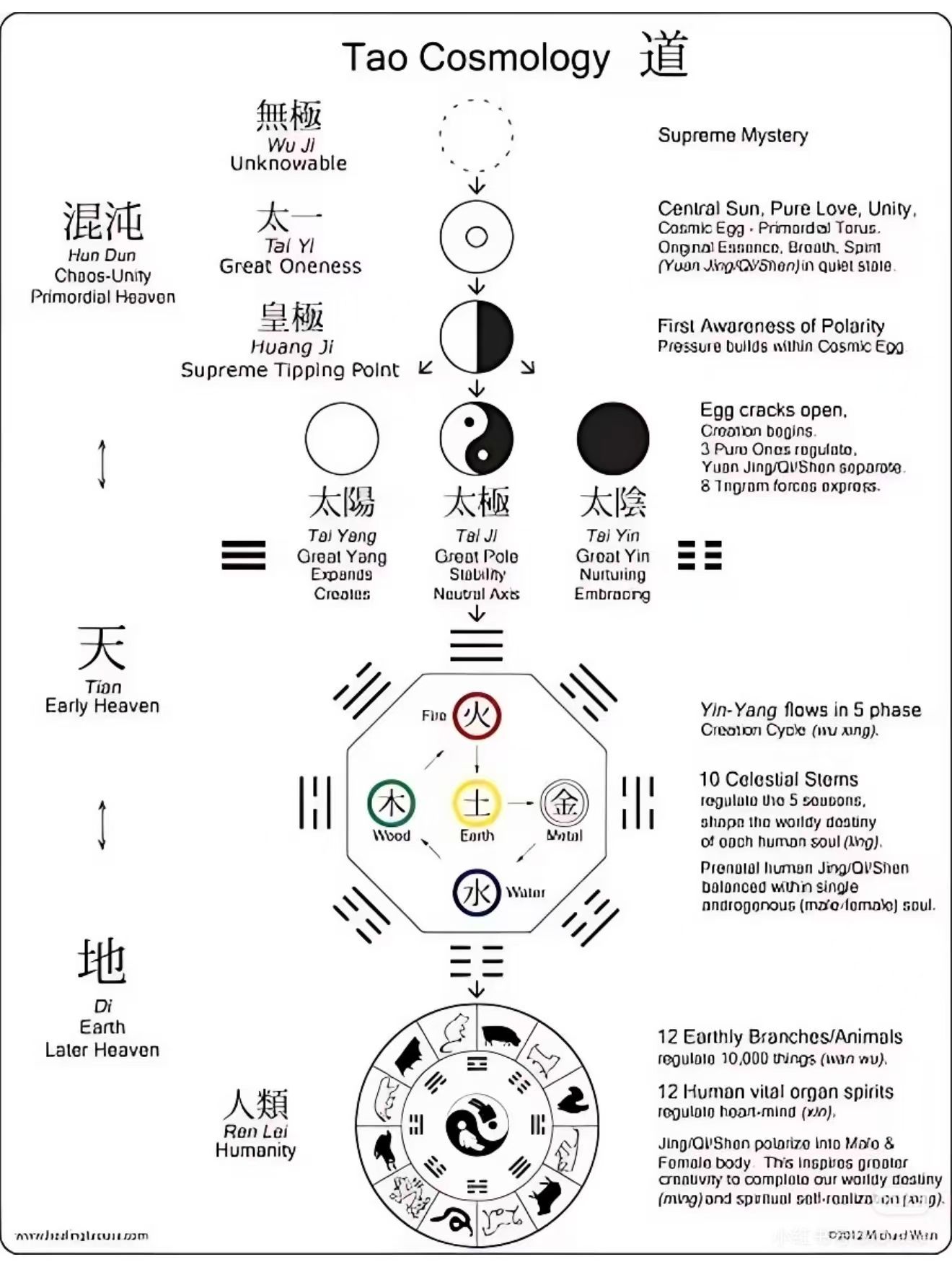
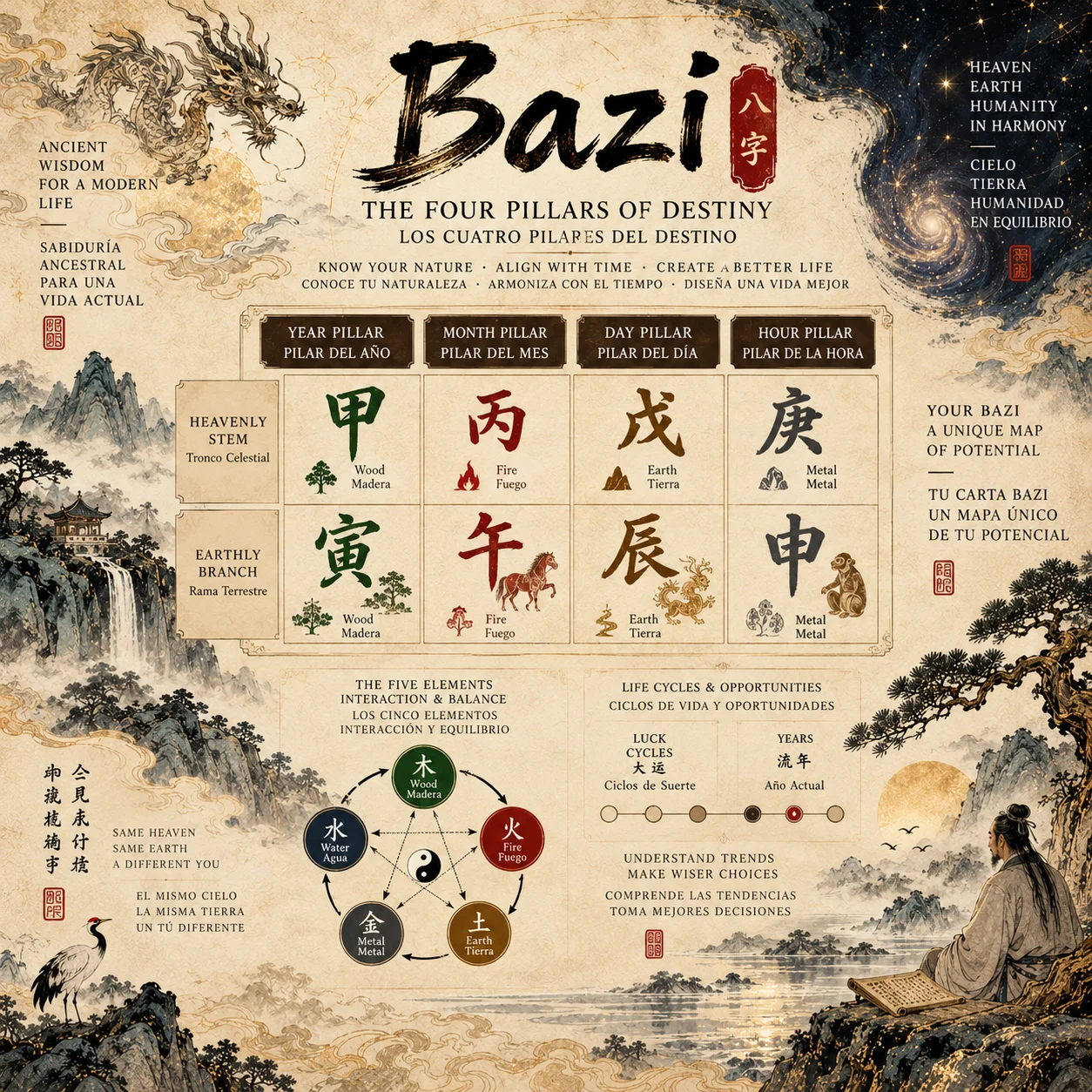
Yi Studies, rooted in the Yijing or I Ching (Book of Changes), is a central current within traditional Chinese philosophy, and its dialectical mode of thought is crystallized in the threefold meaning of Yi. From the ontological perspective of traditional classical scholarship, this article traces the conceptual development of Yi from a concrete term for an observable thing to a philosophical category. It systematically explains the scope of the three core meanings—change, simplicity, and constancy—and their dialectical substance–function relation. It then examines the practical application of this mode of thought through the traditional Bazi system. In doing so, it seeks to clarify the theoretical value and broader significance of Yi thought as an underlying framework through which ancient Chinese thinkers understood Heaven and Earth and made sense of the myriad things.
Traditional Chinese Philosophy
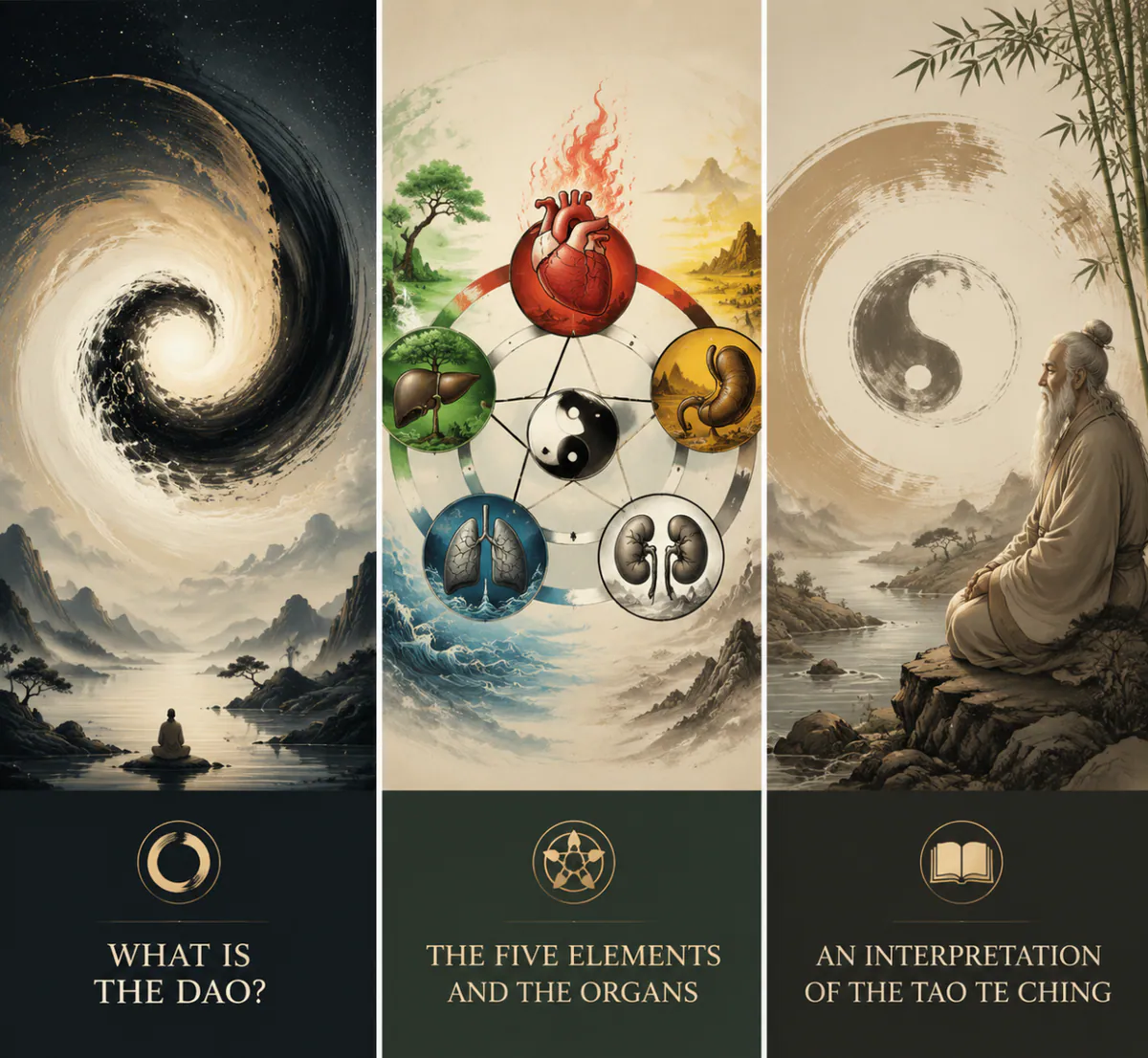
An introductory reflection on change, relationship, and the limits of the language used to describe the Dao.
BaZi
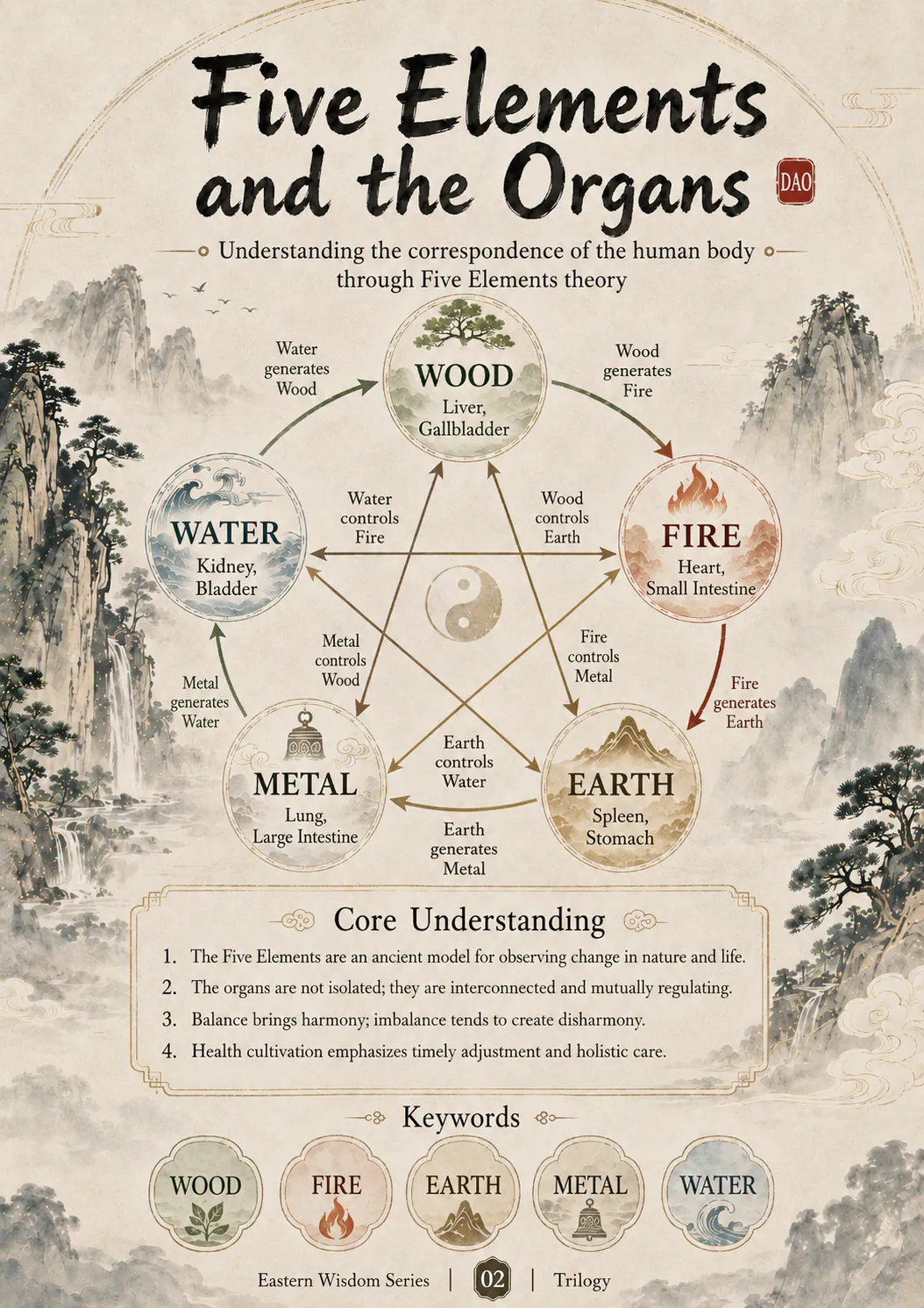
A careful introduction to traditional correspondences between the Five Elements, seasonal change, and bodily systems.
Traditional Chinese Philosophy
How to approach compact classical language with patience, structure, and room for more than one reading.
BaZi
A structural overview of how stems, branches, elements, and cycles become a vocabulary for discussing time and pattern.
ZiWei Star
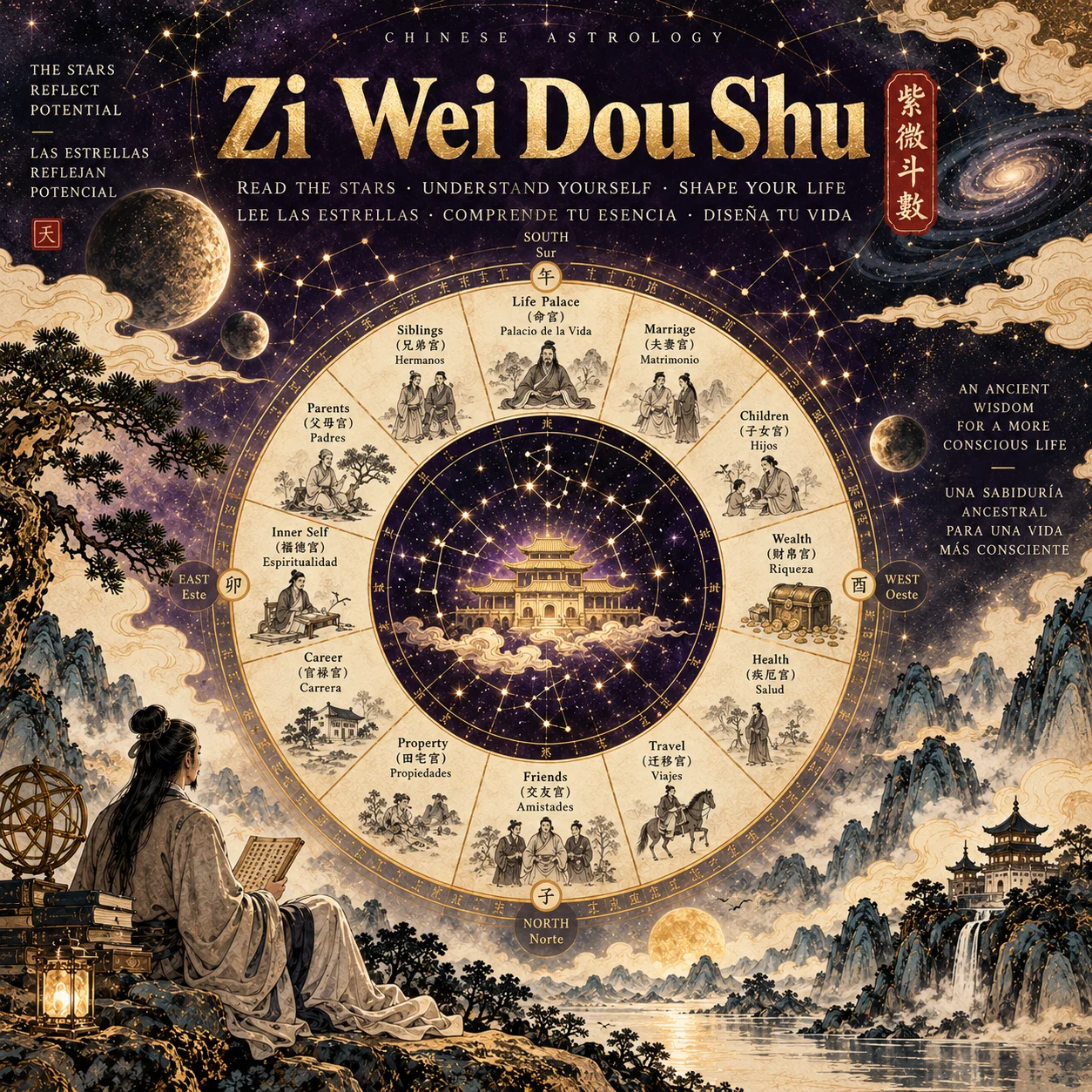
A map for reading relationships between life areas rather than treating stars and palaces as isolated labels.
ZiWei Star
How personality models can organize observation without turning a living person into a permanent chart label.
Qimen Dunjia
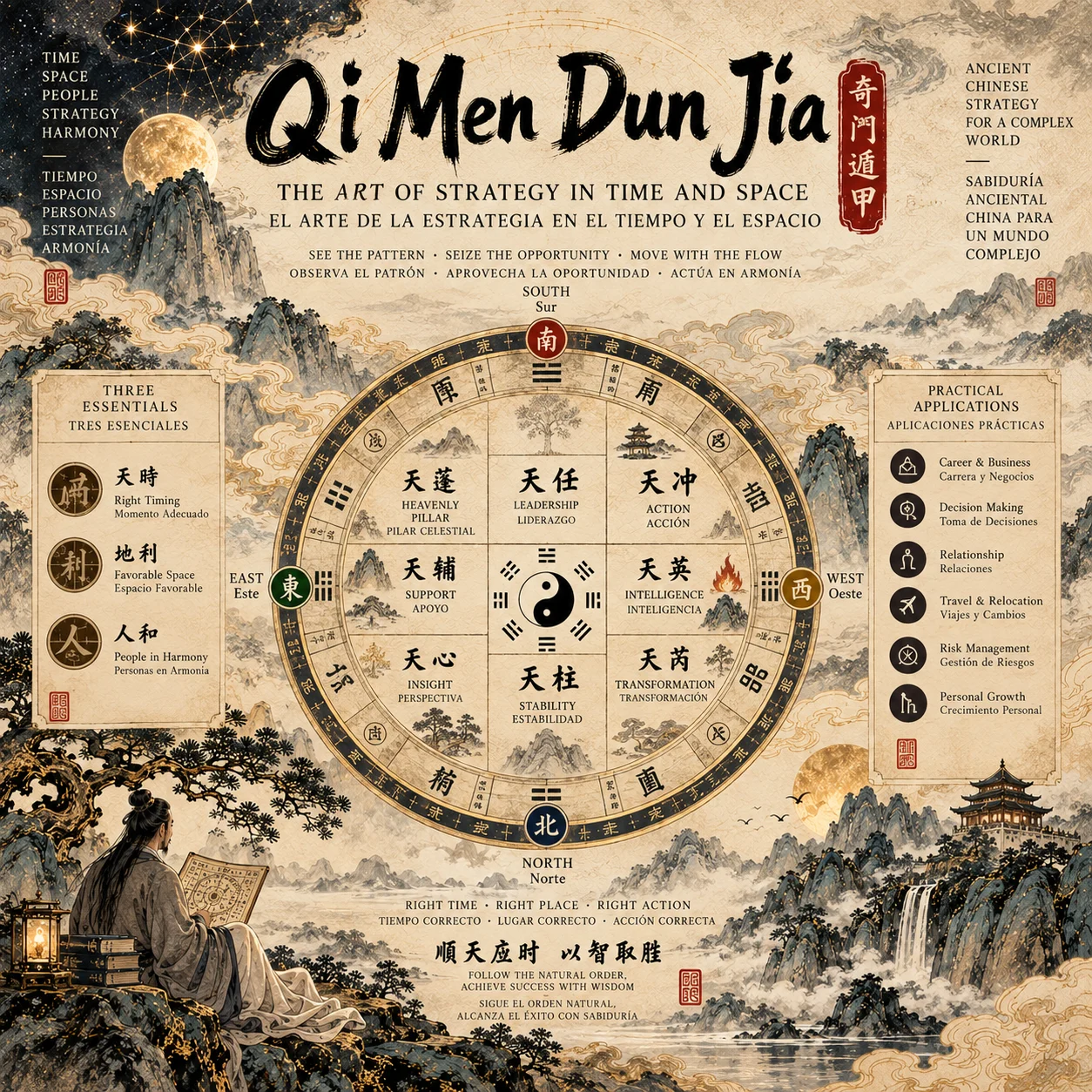
A first look at how a time-space chart organizes conditions, positions, and possible courses of action.
Qimen Dunjia
A practical outline for turning chart relationships into questions, scenarios, and a documented decision process.